Alexander Pope’s Grotto
The grotto as drawn by John Serle in 1745
Alexander Pope’s Grotto
Alexander Pope’s Grotto
A source of inspiration and contentment
A source of inspiration and contentment
1720 - 1742
1720 - 1742
"I then found a spring of the clearest water, which falls in a perpetual Rill"
The Grotto today
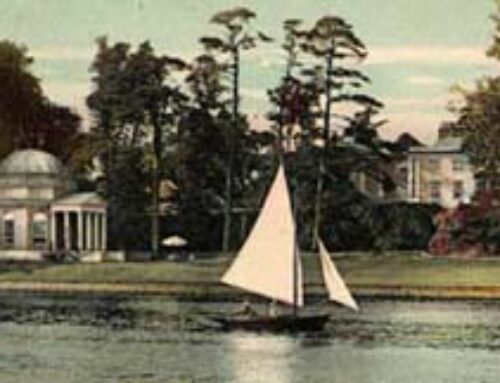
Entering beneath an archway facing the River, the remains of Alexander Pope’s Grotto lie today beneath the buildings of a school.
The bricks and stones at the entrance are decorated with little cast faces and climbing ivy. Inside is a stone path leading to two side rooms and a tunnel crossing underneath the road to the garden at the other side.
It feels cool and dusty and only a few fragments of the Grotto’s decorations are left on the walls and floor.
The grotto as drawn by John Serle in 1745
Creates the Grotto and builds a tunnel
Pope builds a house and creates the Grotto
When Alexander Pope moved to Twickenham in 1719, he built himself a fine house facing the river. The house was separated from his garden by a road and he decided to dig a tunnel under the road to connect them. He had the idea of decorating the cellars of his house, the tunnel and its entrance as a grotto. At first he used shells, pebbles and pieces of glass, then he added semi-precious stones and crystals. Pope spent many years happily adding to his Grotto – it seemed natural to him to combine art and nature in his garden.

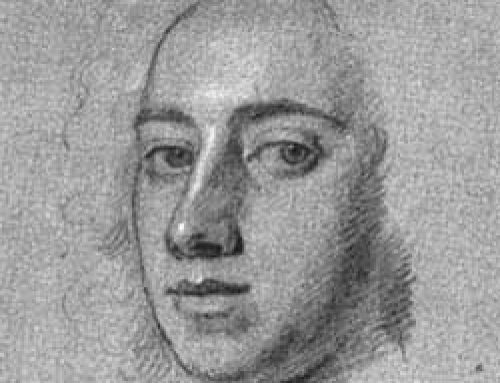
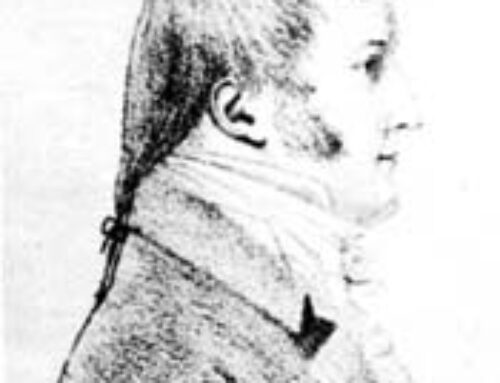
Pope in his grotto. A sketch probably by William Kent