Richard Owen Cambridge
People: Landowners and Gentry
Richard Owen Cambridge
Richard Owen Cambridge
Cambridge is everything! - Walpole
Cambridge is everything! - Walpole
1717 - 1802
1717 - 1802
"What are you thinking of? ... the next World, my dear"
Country gentleman comes to Twickenham
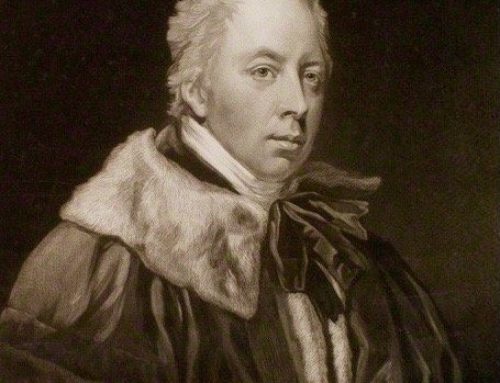
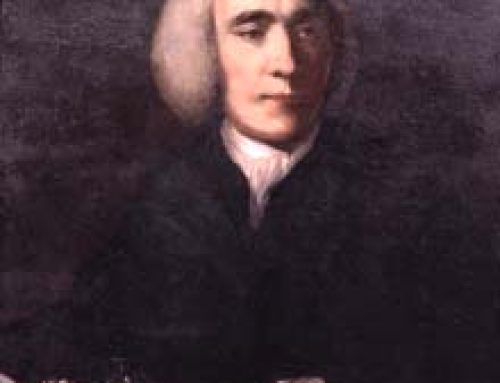
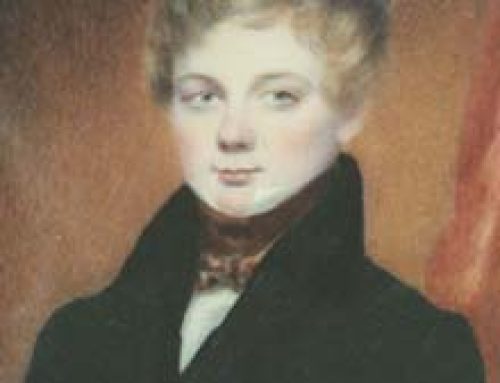
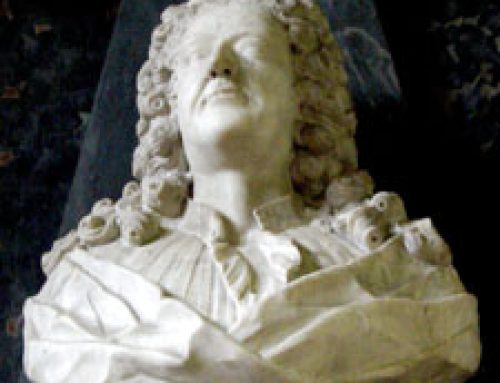
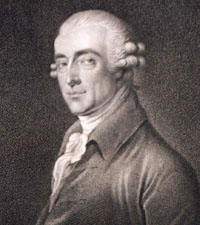
Richard Cambridge was born in London, his father being a Turkey merchant who died shortly after Richard’s birth. He was then cared for by Thomas Owen his uncle and educated at Eton and St John’s College Oxford, followed by a spell at Lincoln’s Inn. In 1741 he married a Miss Mary Trenchard and settled at Whitminster in Gloucestershire to live the life of a country gentleman with a penchant for writing verse and building boats. From here he was prevailed upon by his relative, Thomas Edwards, to contribute minerals to furnish Alexander Pope’s Grotto. In 1748, inheriting a large addition to his fortune on the death of his uncle, he added Owen to his name and moved to London.
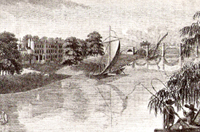
Twickenham Meadows
Two years later he moved to Twickenham, where he acquired the villa then named Twickenham Meadows but which came to be know as Cambridge Park. It was at about this time that he wrote of himself:My body light, my figure slim, My mind dispos’d to mirth and whim.Cambridge undertook a considerable amount of work at the property, particularly in laying out the grounds to suit his own taste. For this, he is held to have been complimented by Lancelot ‘Capability’ Brown. Praise was perhaps not reciprocated: Cambridge is believed to have remarked of Brown that “I hope to die before him, so I may see heaven before it is improved!”. This was not to be the case because Brown died in 1783 and would have had ample time to rearrange the landscape of heaven before Cambridge’s arrival.
Literary friends and works
He had a large number of friends including Gray, Lord Hardwicke, Admiral Boscawen, Lord Chesterfield, and Lord Anson. He is mentioned in Boswell’s Johnson, in Walpole’s Correspondence and in the Journals of Miss Berry.
In 1751 he published his poem The Scribleriad. Cambridge contributed 21 papers to Edward Moore’s magazine, the World. Cambridge’s son tells the story of his father getting a note from Moore on his way to church. Cambridge was observed by his wife to be rather inattentive during the sermon. His wife whispered to him “What are you thinking of?” to which he replied “the next World, my dear”.
Richard Cambridge died in September 1802 aged 85. The following year his son, George Owen Cambridge, published The Works of Richard Owen Cambridge Esq, to which was added An Account of His Life and Character by his son.